Facelift
Consultations offered at our three convenient locations in Manhattan, New York City and Lake Success, NY

A facelift is a procedure designed to restore a natural, refreshed, and youthful appearance to the face and neck by repositioning deeper facial tissues, tightening underlying muscles, and removing excess skin. At FORMA in New York City, board-certified plastic surgeon Dr. James P. Bradley’s facelift procedures deliver a natural, refreshed look with a minimal recovery time. Widely regarded as an expert in his field, Dr. Bradley has performed nearly a thousand facial rejuvenation procedures. His advanced, state-of-the-art techniques draw patients from across the globe, and he offers a range of tailored procedures, customizing each treatment to the patient’s unique anatomy and goals.
With Dr. Bradley’s extensive expertise, you can achieve the refreshed appearance you desire. To learn more about facelifts, call (212) 324-3777 or schedule an online consultation.
Contents
Before and After Photos


About Facelifts
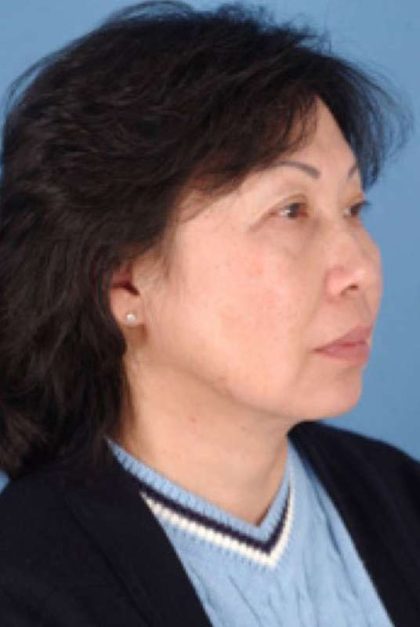
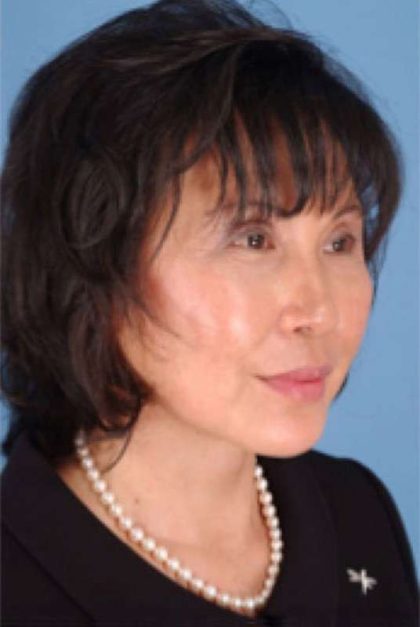
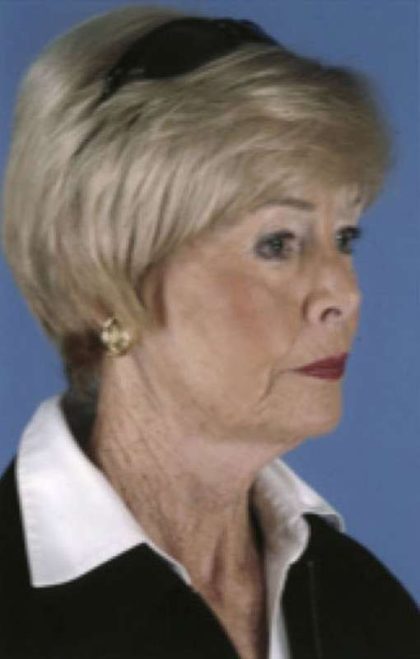
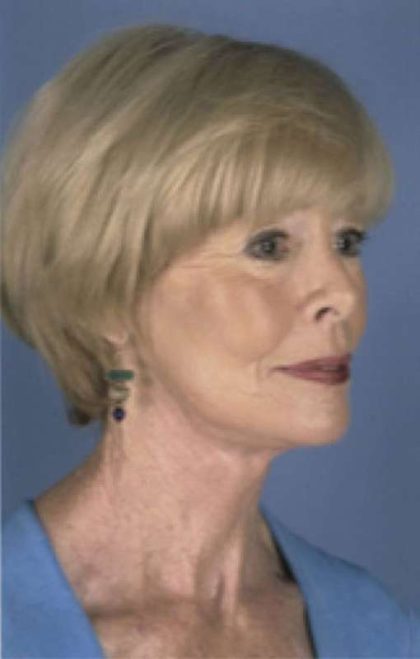
A facelift, also known as a rhytidectomy, is one of the most common procedures in the United States. It is a surgical procedure that improves visible age-related changes in the cheek, jawline, and neck. During a facelift, Dr. Bradley repositions facial and neck tissues, tightens muscles, and removes excess skin. The goal is to restore the natural contours of your face that may have softened with age or other environmental factors. Because skin-only facelifts offer less durable outcomes, Dr. Bradley avoids them and instead prefers deeper structural approaches tailored to factors like anatomy, skin quality, facial aging, and surgical history. A facelift is not a one-size-fits-all procedure, but Dr. Bradley brings skill and experience to tailor the technique to the patient’s goals, needs, and anatomy. (1)
Facelift Options
Deep-Plane Facelift
The facial structure contains a plane of tissue known as the superficial muscular aponeurotic system (SMAS). A deep-plane facelift repositions this layer and relieves retaining ligaments to restore a natural, youthful appearance. During this procedure, Dr. Bradley works beneath this muscle and facial fascia layer by placing deep, internal sutures to anchor the SMAS layer higher up on the facial profile. This action lifts the midface to minimize symptoms of aging. He also removes excess skin and sutures the incisions with minimal tension. Deep-plane facelifts mobilize and reposition existing facial tissue to restore volume to the cheeks and under the eyes rather than just relying on fillers or implants. They often leave concealed scars and deliver long-lasting results. (1)
SMASectomy with MACS Lift
During the SMASectomy, Dr. Bradley removes part of the SMAS and tightens and repositions the remaining tissue. This creates tension and support in the deeper facial tissues instead of just pulling the skin tight. Dr. Bradley can adjust his technique based on the direction the tissues need to be lifted and repositioned. SMASectomy improves definition and refines jowling along the jawline and lower face.
Dr. Bradley combines the SMASectomy with a Minimal Access Cranial Suspension (MACS) lift by placing sutures through the SMAS to lift and suspend those deeper facial tissues. This establishes a vertical lifting vector, providing additional elevation through the cheeks and midface. (2)
Dr. Bradley combines them so that the SMASectomy manipulates the deeper SMAS tissues and improves jowling while the MACS lift provides cheek elevation. Together, these techniques allow Dr. Bradley to treat separate areas of the facial descent through a deeper structural approach rather than a skin-only facelift. The choice of the procedure depends on the patient, skin quality, facial age, and previous surgeries. (3)
Neck Lift and Deep Neck Rejuvenation
Dr. Bradley often incorporates a neck lift into his facelift procedures when appropriate. This procedure tightens or repositions the platysma, a thin layer of muscle in the neck, to improve laxity, visible banding, and definition along the neck and jawline. In some cases, Dr. Bradley may utilize a deep neck rejuvenation approach for patients presenting deeper structural concerns or more prominent signs of aging below the platysma. This is often beneficial when submandibular glands (located beneath the jawline) are prominent and contribute to neck fullness. In these cases, a submandibular gland reduction or partial resection may be integrated into the deep neck rejuvenation procedure. Dr. Bradley customizes the extent and technique of neck treatment based on each patient’s unique anatomy, skin quality, degree of facial aging, and medical history. (1)
Benefits
A facelift provides numerous lasting structural and cosmetic benefits. By repositioning facial tissue and the SMAS layer, the procedure corrects jowling and sagging in the midface. It will also eliminate loose, excess skin folds on the lower face and neck. A facelift delivers comprehensive revitalization in the face and neck, with many results lasting 10-15 years. Overall, the patient will look younger and more vibrant.
Ideal Candidates
Facelifts are ideal for patients seeking long-term improvements in signs of aging in the lower face and neck. If you have drooping facial skin, noticeable folds, and diminished facial contours, a facelift can provide an impressive transformation. Candidates for a facelift should be in good overall health and have realistic expectations about the possible results.
Facelift surgery can be performed with other procedures for more comprehensive results, such as eyelid surgery or a brow lift. Patients can explore these options with Dr. Bradley’s expert recommendation during their consultation.
Personal Consultation
Contact us today to schedule a facelift consultation with Dr. Bradley. A consultation with Dr. Bradley allows him to explore how to restore a smooth, youthful appearance. During this meeting, Dr. Bradley will perform an in-depth medical evaluation. To ensure that your body can safely tolerate anesthesia and surgery, Dr. Bradley will review your medical history, including past surgeries, chronic conditions, and drug allergies. He will also evaluate lifestyle factors, including alcohol consumption, the use of nicotine, current medications and supplements, activity levels, and more. Following this, he will assess your skin elasticity and underlying facial bone structure during a comprehensive physical examination. To design an appropriate surgical approach, you and Dr. Bradley will discuss your unique aesthetic objectives, and he will recommend either a deep-plane SMASectomy with MACS, with the appropriate neck treatment depending on your anatomy. During this time, you and Dr. Bradley will also discuss realistic results, potential risks, and cost.
Preparation
Once your treatment plan is finalized, Dr. Bradley will provide clear, detailed preoperative instructions tailored to your health profile and treatment plan. In preparation to receive a facelift, patients must stop the use of nicotine and alcohol before and after the surgery, as nicotine reduces circulation and limits proper healing. In addition, the patient must refrain from taking any blood-thinning medications two weeks before the procedure to reduce the risk of bleeding. The patient must also plan for an adult to take them home after the procedure and provide assistance during the initial recovery period. Following preoperative instructions will contribute to the success and safety of the surgery. (1)
Recovery
Everyone’s recovery timeline varies slightly due to several reasons. Individual factors such as age, skin elasticity, overall health, and the specific treatment approach affect how smoothly healing progresses. Following Dr. Bradley’s instructions during your recovery process is key to achieving the best possible facelift results. You will need to take time off work, avoid physically taxing activities like heavy exercise, and come in for follow-up appointments to ensure your facelift recovery is progressing as expected. For optimal healing, patients must sleep on their back with their head elevated above their chest at all times. Proper incision care is also essential, which includes gently cleaning the area with warm water as directed. Additionally, it is critical to completely avoid alcohol and nicotine, as these substances can impede recovery and heighten the risk of complications. (1)
Cost of Facelifts in New York
The price of a rhytidectomy depends on many factors; the final facelift cost will be affected by the techniques chosen, the time it takes to perform the surgery, the anesthesia used, and other factors. During your consultation, Dr. Bradley will provide a comprehensive price quote.
To explore the cost of your facelift, please schedule a consultation online or call (212) 324-3777.
FAQ
What is the best age to have a facelift?
Facelift candidacy depends less on age and more on target concerns. However, most patients typically receive facelifts between the ages of 45 and 60. During this time, patients may develop noticeable jowling, deep folds, or neck laxity that non-surgical options cannot fix. This is often when skin elasticity is optimal for natural-looking results.
How long will my facelift last?
Although a facelift offers a more youthful look, it cannot stop the natural aging process. How long your results remain depends on the technique used, your skin type, and your lifestyle habits. Results from a deep-plane facelift generally last 10 to 15 years, while a SMASectomy with MACS Lift typically lasts 5 to 7 years. Because each patient’s facial structure is unique, individual results may last longer or shorter.
Who needs a secondary facelift?
A secondary facelift, also called a revision procedure, is a personal decision. People generally consider a secondary facelift if they experience recurrent signs of aging about 7 to 12 years after their initial facelift or want to correct unsatisfactory results from the initial procedure.
When will I see noticeable results after my facelift?
Most patients tend to see results within three to four weeks of recovery, as major bruising and swelling subside. However, your true, refined results will become visible around three months, with complete tissue settling taking up to one year. Every patient is unique, and your results may last longer or shorter. During your consultation, Dr. Bradley will discuss a realistic recovery timeline for you.
References
- Boyd CJ, Ceradini DJ. Current Trends in Facelift and Necklift Procedures. Journal of clinical medicine. 2025;14(12):4273. doi:10.3390/jcm14124273
- Hijkoop LF, Stevens HPJD, van der Lei B. The minimal access cranial suspension (MACS) lift: A systematic review of literature 18 years after its introduction. Journal of Plastic, Reconstructive & Aesthetic Surgery. 2021;75(3):1187-1196. doi:10.1016/j.bjps.2021.11.051
- Shauly O, Stone GL, Shin R, Grant Stevens W, Gould DJ. Evaluating Facelift Complications and the Effectiveness of the SMASectomy Technique: A Single Center’s 15-Year Experience. Aesthetic Surgery Journal Open Forum. 2021;3(4). doi:10.1093/asjof/ojab030